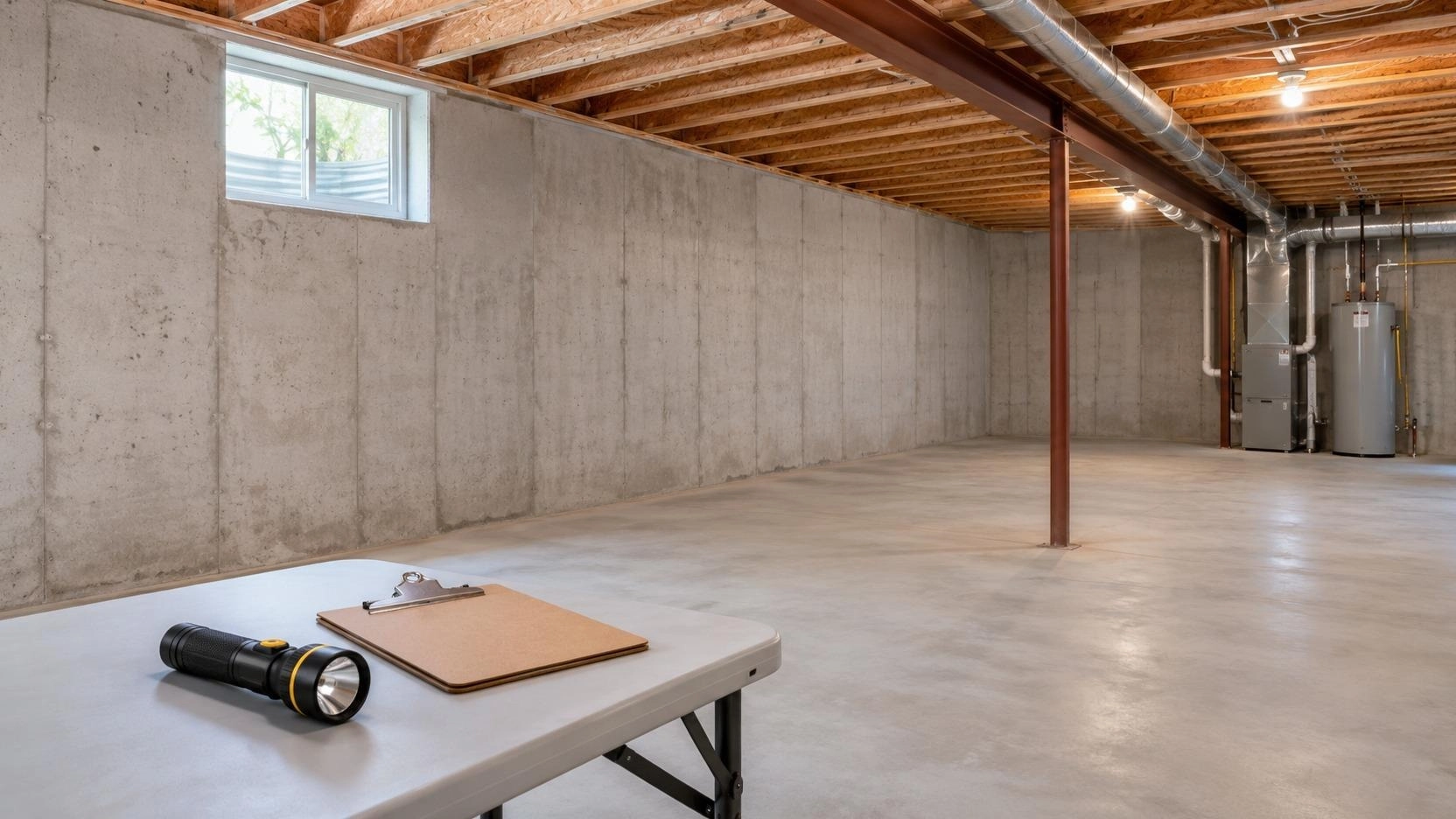
A basement can change how a home works for you. It may provide storage, a workshop, a recreation room, or space you hope to finish later. Before assigning those uses to a Lockport property, spend time understanding moisture conditions and the history of any water problems. A dry-looking room on one afternoon is useful to observe, but it is only a snapshot.
The right questions connect the interior with the rest of the property. Roof drainage, grading, plumbing, foundation conditions, and installed water-management equipment may all deserve professional attention. Your role as a buyer is to notice, document, and ask for the appropriate evaluation. It is not to diagnose a cause from a stain or operate unfamiliar equipment during a showing.
A careful review can help you distinguish a documented repair from an unresolved concern. It also gives you a more realistic basis for deciding how much the lower level contributes to the home’s usefulness and what responsibilities may come with it.
Describe what you observe without jumping to a diagnosis
When touring the basement, note visible staining, peeling finishes, unusual odors, damaged materials, or areas that appear recently repaired. Record where each observation occurs. “Discoloration near the northeast corner” gives an inspector a better starting point than a conclusion that the entire foundation leaks.
Ask permission before taking photographs, moving items, or opening anything beyond the ordinary showing scope. Stored belongings and finished walls can limit what is visible. An inaccessible area should be recorded as unobserved, not treated as satisfactory because the rest of the room looks clean.
Avoid assuming a cause based on appearance alone. Water near a wall could have several explanations, and a musty smell does not identify a particular substance or its extent. The Environmental Protection Agency emphasizes moisture control when addressing mold. That supports investigating the source of dampness rather than relying only on a new finish or a stronger air freshener.
Ask for a history organized around events
Invite the seller to describe known water incidents with dates, affected areas, and the circumstances they recall. Ask whether the event followed heavy rain, a plumbing failure, a power interruption, or another reported condition. Keep the seller’s description separate from a professional conclusion about the cause.
Request available photographs, invoices, reports, and warranties connected to the event. If work occurred before the current ownership, ask what documentation passed to the seller. The absence of a record does not prove that no event occurred, and a seller’s limited knowledge should not be expanded into a statement about the home’s entire history.
A hypothetical example illustrates the distinction. A seller may report that water entered once and that a contractor later modified drainage. The buyer still needs to understand the work performed and whether other evidence supports the explanation. “It happened once” and “the cause was resolved” are different statements requiring different support.
Connect the basement with exterior drainage
Ask the inspector to evaluate relevant exterior conditions within the agreed scope. Gutters, downspouts, surface grading, and visible drainage arrangements can help explain where water is directed. EPA guidance identifies maintenance of roof drainage and ground sloping away from a foundation as moisture-control considerations, but a professional should assess the actual site.
Do not change drainage routes yourself while evaluating a purchase. Redirecting water can affect neighboring property, local requirements, or another part of the home. If work is proposed, ask a qualified contractor to define the scope and identify any approvals or additional expertise needed.
For a home near downtown Lockport or elsewhere in the city, evaluate the individual lot rather than inferring conditions from a neighborhood name. A river, canal, or nearby slope may prompt questions, but proximity alone does not establish how a particular basement behaves. Property records and professional observations should guide the investigation.
Understand the purpose of installed equipment
A sump system, backup power arrangement, dehumidifier, or interior drainage system may be part of the home’s water-management plan. Ask what each component is intended to do, who installed it, and what service records are available. Equipment should be evaluated as a system, not as a reassuring object in the corner.
Have the appropriate professional explain operation, condition, and maintenance. Ask what happens during a power loss or equipment failure and whether an alarm or backup arrangement is present. Do not test unfamiliar components yourself, remove covers, or enter standing water to investigate.
Distinguish managing water from eliminating every risk
The presence of equipment does not mean the home will remain dry under every condition. Equally, it does not establish that the property has an unacceptable problem. The useful questions concern the system’s purpose, verified condition, maintenance needs, and limitations. Those answers help you evaluate the responsibilities associated with ownership.
Read repair records for scope and follow-up
A waterproofing invoice can describe a narrow repair or a broader project. Read the location, materials, work description, and date. Ask whether the contractor investigated the source of the problem or performed a specific task requested by the owner. Those scopes may be different.
Look for any recommended follow-up and evidence that it occurred. If a warranty is offered, review what it covers, exclusions, transfer conditions, and the process for making a claim. A long warranty term has limited meaning without understanding the actual protection and the company responsible for it.
Compare the paperwork with the space you toured. A repair to one foundation wall does not explain staining on another wall unless a professional connects the two. If the visible condition differs from the records, ask for clarification. Keep the discrepancy open until the appropriate person has addressed it rather than assuming the invoice settles every question.
Use inspection limits to plan the next step
Before hiring an inspector, explain your concerns and intended basement use. Ask what the inspection includes, what tools may be used, and which findings would warrant a specialist. A general home inspection and a targeted moisture investigation can have different scopes.
If conditions prevent a complete evaluation, ask the inspector to identify the limitation precisely. Frozen ground, stored belongings, finished walls, or the weather on the inspection date may affect what can be observed. Determine whether another visit, records, or a specialized assessment would help answer a material question.
Carla’s buyer’s guide can help place those appointments within the purchase process. Discuss the schedule with the transaction team before assuming there is unlimited time for follow-up. Additional investigation needs to fit the actual agreement and any professionally advised changes to it.
Keep mold and health questions with qualified professionals
If visible growth or an odor raises a mold concern, seek appropriate professional advice about the property. Avoid naming a substance from a photograph or accepting a cosmetic cleaning as proof that a moisture problem is resolved. EPA guidance notes that hidden mold can require experienced judgment and that sampling has limitations.
Do not disturb suspected contamination during a showing. If a household member has a relevant health concern, discuss it with a healthcare professional rather than asking an agent or inspector to predict an individual reaction. Property evaluation and medical advice address different questions.
Request a clear explanation of any recommended work, including how the moisture source will be addressed and how completion will be evaluated. A contractor’s proposal should describe the scope it actually covers. Avoid broad guarantees that a building is permanently free of mold or that a single test resolves every future concern.
Evaluate the space you intend to finish
A basement that works for occasional storage may require a different assessment before it is enclosed and furnished. If you plan to install finishes, create a home office, or add another use, discuss the project with qualified design and building professionals. Existing moisture questions should be resolved before they are concealed behind new materials.
Ask how the proposed work interacts with access to equipment, drainage components, and other systems. A finished appearance should not prevent maintenance or hide areas that need observation. The local building authority can explain the approvals relevant to your actual project.
Keep the renovation budget separate from the cost of resolving an existing condition. A flooring allowance is not a substitute for understanding why a floor became wet. If the home only meets your needs after the basement is finished, investigate feasibility early enough that you can make a realistic purchase decision.
Bring costs and insurance questions into the discussion
Request estimates based on a defined scope when a professional recommends work. Identify which costs are known and which depend on further investigation. A generic repair allowance may be convenient, but it cannot reliably price an uncertain source of water or concealed damage.
Ask your insurance professional about the actual coverage proposed for the property, including how different causes of water damage are treated. Explain any known history and intended use accurately. Do not assume that every event described casually as “flooding” falls under the same policy provision.
Discuss findings and possible transaction responses with Carla and your attorney. A seller is not automatically responsible for every item a buyer would prefer to change. The agreement, disclosures, applicable requirements, and any negotiated resolution need professional review. Keep the property facts clear so those conversations address the actual issue.
Decide what the basement contributes to your purchase
At the end of the review, write a short summary of the known history, observed conditions, completed work, and remaining responsibilities. State what the space can reasonably contribute to your plans based on the advice received. Avoid giving full credit to a future use that has not been evaluated.
Retain service instructions and records if you proceed. Ask which maintenance tasks should be scheduled and who can provide support after possession. A water-management system is more useful when the new owner understands its care and recognizes when to seek help.
Carla’s approach to evaluating homes provides context for looking beyond presentation. With a basement, that means connecting the appealing extra space to its condition and upkeep. The result is a Lockport home decision based on the room’s practical role, supported by evidence rather than a single dry-day impression.
Compare the evidence after the visit
Before moving to the next property, separate what you observed from what someone reported and what a professional has confirmed. A dry floor during a showing, a seller’s account of a past event, and a contractor’s written findings provide different kinds of information. Keeping those categories distinct helps you avoid overstating either reassurance or concern. Use the unresolved questions to plan the next conversation, and update the notes when an answer is supported by a document or qualified evaluation.
FAQs
Does a dry basement during a showing rule out past water problems?
No. Ask about history, available records, and the limitations of the inspection conditions.
Does a sump pump mean a home has a defect?
Its presence alone does not establish a conclusion. Have a qualified professional explain the system’s purpose, condition, and maintenance needs.
Should I finish the basement immediately after moving in?
Investigate moisture, project feasibility, and applicable approvals first. Qualified professionals can help assess the space and proposed work.
Contact Carla Patrone
Looking at a Lockport home with a basement? Contact Carla Patrone or call 708-372-5134 to coordinate your search and the property questions that deserve closer review.