A bright basement, fresh paint, and an open window tell you very little about a home’s radon level. For a Lockport buyer, the useful question is whether there is a reliable measurement for the property and whether you understand the conditions behind that result. That question belongs early in the purchase process, when there is still time to arrange access, receive a report, and discuss the findings with the appropriate professionals.
Radon testing can feel like another appointment in an already crowded week. Treating it as a small project with an owner, a schedule, and a complete file makes it easier to manage. The purpose is to replace assumptions with usable information. A house near historic downtown Lockport and another elsewhere in the city each require their own evaluation; a neighborhood reputation cannot answer a property-specific testing question.
Start with the property’s records
Ask for any available radon measurement reports and documentation for an installed mitigation system. Request the actual documents rather than a verbal summary such as “it passed before.” A report should help you identify the property, the measurement date, the areas tested, and the professional responsible. If pages are missing, ask for the complete version before relying on a number copied into an email.
Organize the material chronologically. A measurement before a system was installed serves a different purpose from a later measurement. A service invoice may explain work on equipment without establishing the current radon level. Keep these distinctions visible so you do not accidentally treat an installation receipt as a test result or a historic result as a current guarantee.
Make a short list of unresolved points: an unreadable address, a missing page, an unexplained date, or a reference to an additional test you have not received. Specific questions are easier for the seller and professionals to answer than a general request for reassurance. Save the answers with the documents instead of relying on memory after several other inspections.
Put testing on the purchase calendar
Your purchase agreement determines the transaction deadlines and available procedures. Ask your real estate attorney to explain how testing and any response fit within those terms. Do this before assuming that a convenient testing appointment automatically leaves enough time for further evaluation or a request to the seller. Receiving a report and deciding what to do with it are separate steps.
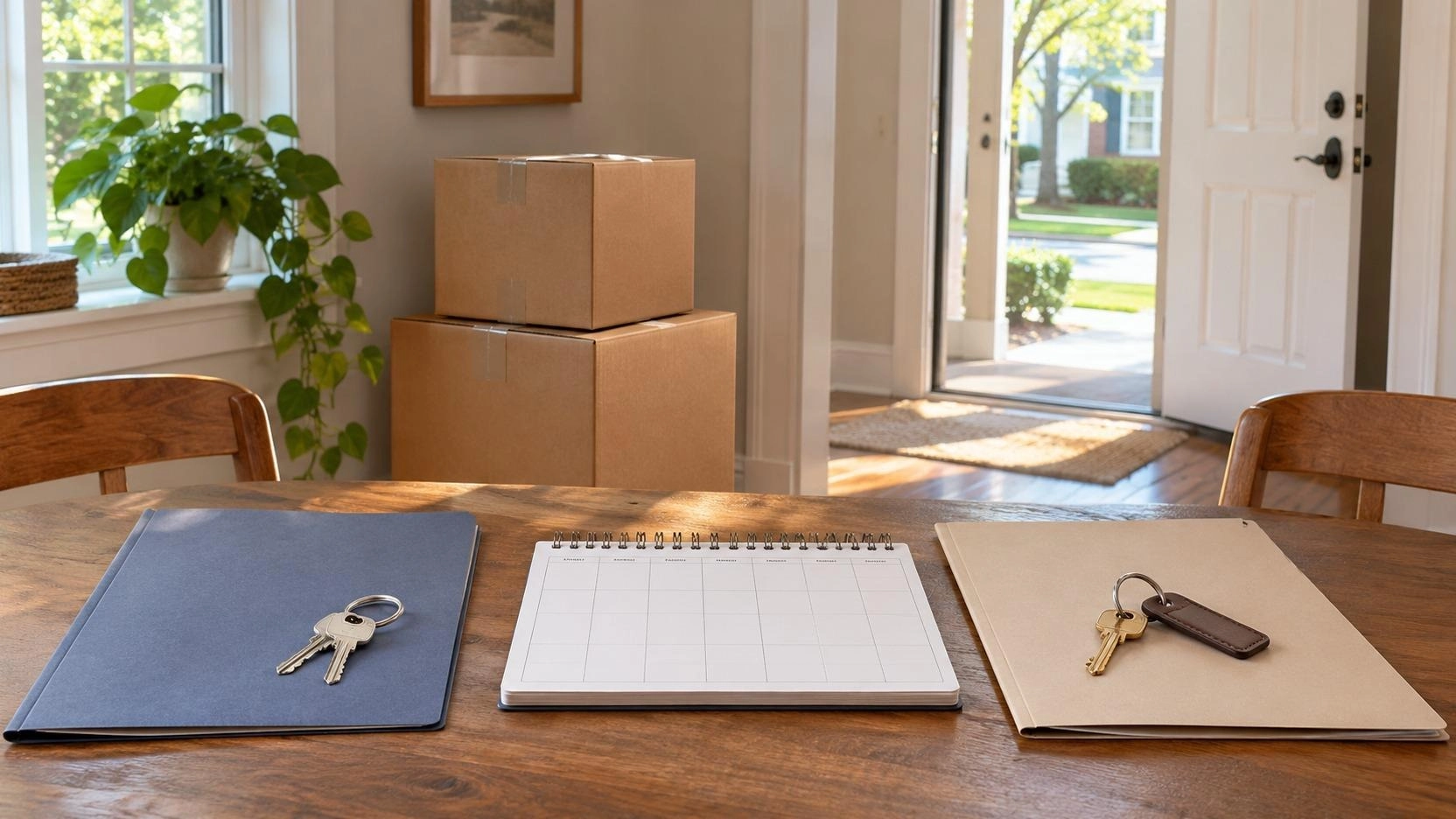
Build a calendar that includes scheduling, equipment placement, collection, delivery of the written report, and professional review. Ask the measurement provider what could interrupt that sequence. A late report can create pressure even when the original appointment happened promptly. Leave room for questions and possible scheduling changes without suggesting that any particular extension will be granted.
Carla’s buyer guidance provides an overview of the broader purchase process. Add the radon appointments to the same calendar as the home inspection, financing milestones, and other property investigations. A shared calendar helps the participants recognize conflicts while there is still time to address them.
Choose the appropriate measurement professional
Illinois maintains a licensing program for radon service providers. Use the state’s current resources to check the provider’s relevant credentials and ask who will perform the measurement at the house. Request a written explanation of the service, the report you will receive, the expected turnaround, and the total price. Do not assume that a general home inspection includes this separate service.
Describe the property’s layout accurately when arranging the appointment. Mention a basement, crawlspace, additions, or other areas that might affect the professional’s plan. Let the provider decide the appropriate measurement locations and procedure. Sending a floor plan or photographs can help them prepare, but a buyer should not choose a convenient corner simply to keep equipment out of the way.
Ask how questions about the final report will be handled. A provider who explains the result and the measurement conditions can help you understand what the document establishes. Clarify whether additional interpretation or another visit would involve a separate service. Knowing the communication process before the appointment reduces uncertainty when your purchase deadline is approaching.
Coordinate access and household activity
A measurement depends on following the applicable testing protocol. Obtain the provider’s written instructions and share them through the transaction’s agreed communication channels. Everyone arranging access should understand that a test is underway. That may include the seller, occupants, listing agent, inspectors, and contractors with appointments during the same period.
Let the provider direct the conditions
Illinois testing rules address closed-building conditions and other factors that can affect measurements. Rather than improvising from a checklist found online, ask the licensed provider to explain the requirements for this particular test. Discuss the timing of window operation, heating or cooling, existing mitigation equipment, and scheduled inspections directly with that professional.
A busy showing schedule or repair project may create a conflict. Raise it before the equipment arrives. If conditions change unexpectedly, tell the measurement provider promptly and let them determine the effect on the test. Do not move equipment, cover a device, or change household operation in an attempt to improve the reading. The objective is a valid measurement, not an attractive number.
Read the whole report
When the report arrives, confirm the address and testing dates first. Then read the explanation of locations, conditions, and any limitations before focusing on the result. If the house has more than one relevant area, ask how the report addresses that layout. A brief summary email should not replace the complete document in your purchase file.
Write down questions in plain language. Which result is being discussed? Were there conditions that affected validity? Does the professional recommend another step? What information would a mitigation contractor need to prepare a proposal? Ask the measurement provider to explain unfamiliar units and terminology rather than trying to compare numbers from unrelated websites or neighboring properties.
Avoid treating the report as a promise about every future condition in the house. It documents a measurement conducted under stated circumstances. Your decision should account for the professional’s interpretation, the contract, and your ability to manage any recommended work. Keep the discussion tied to the actual evidence rather than a seller’s or buyer’s preferred outcome.
If mitigation enters the conversation
When further action is recommended, obtain an assessment and written proposal from an appropriately qualified radon mitigation professional. The scope should identify the work proposed for this property, scheduling assumptions, access needs, and the documentation expected after installation. A generic price mentioned by a friend is not a substitute for a property-specific proposal.
Ask how the proposed system would fit into the house. Equipment placement, routing, electrical work, and access for future service deserve attention before an agreement is finalized. These are coordination questions for the relevant professionals, not instructions to design or install a system yourself. A finished basement may make access questions different from those in an unfinished space.
Discuss any requested seller work or credit with your agent, attorney, and lender as appropriate. A proposed remedy is not automatically an agreed contract term, and a credit does not itself complete work. Have the professionals explain what must be documented, what remains your responsibility, and how completion or later work would be evaluated.
Evaluate an existing system carefully
An installed mitigation system is a reason to request records, not a reason to skip questions. Ask for installation documentation, service history, available operating instructions, and associated measurement reports. Identify the company that performed the work and whether there are transferable service or warranty terms. Verify those terms directly instead of assuming that paperwork bearing a previous owner’s name applies to you.
During an inspection, ask the appropriate professional to identify accessible equipment and explain any observed concerns within their service scope. Do not infer a radon concentration from the sound of a fan or the presence of a visible indicator. Equipment observations and air measurements answer different questions, and the provider can explain the relationship between them.
If a component was recently repaired or replaced, keep that invoice alongside the testing history. Ask what follow-up information is appropriate after the work. A clear timeline helps everyone distinguish the original installation from later maintenance and avoids a confusing collection of documents with no explanation of what happened when.
Keep the decision connected to the whole purchase
Radon information is one part of evaluating a Lockport home. You may also be considering roof condition, moisture concerns, renovation records, financing, and the practical use of the rooms. Maintain a separate action line for each issue so that a discussion about one item does not obscure another unresolved deadline or cost.
For example, a buyer planning to use a basement as a daily workspace needs to understand several independent matters. Radon testing addresses one question, while moisture evaluation, approved use, and project feasibility address others. Resolving one does not resolve the rest. This approach helps prevent an attractive finished room from receiving less investigation than an unfinished one.
Learn about Carla Patrone’s approach when organizing your property search. Her role in coordinating the transaction can support communication, while licensed testing providers and your legal advisers address their respective technical and contractual questions. Clear responsibilities make the process more manageable without asking any one participant to answer outside their expertise.
Prepare an ownership file before closing
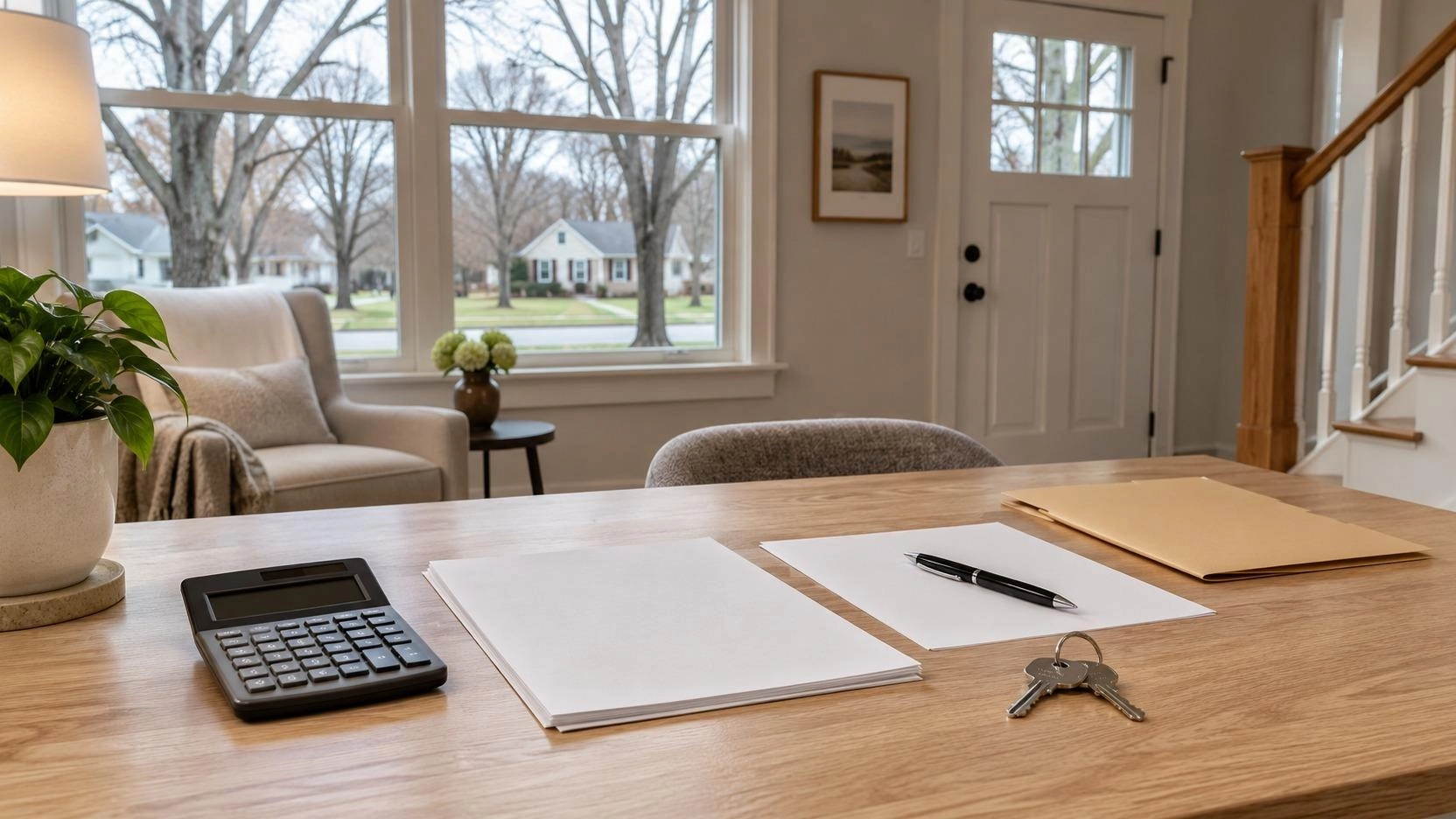
If you proceed with the purchase, keep the full reports, professional contact details, installation information, and any final agreements together. Label each document with its date and purpose. Include a simple note identifying which questions were resolved and which maintenance or follow-up items you still need to discuss after moving in.
Store a copy somewhere accessible outside the house as well as in your usual home records. When equipment needs service or you plan changes to the lower level, you will be able to explain the property’s history without starting from scratch. Accurate records are also more useful than vague recollections if you later sell the home.
A practical radon plan does not require a buyer to become a testing specialist. It requires early scheduling, a qualified provider, cooperation with the measurement instructions, and careful review of the actual report. Those steps allow you to make a more informed decision about a Lockport property while keeping the rest of your purchase moving in an organized way.
If you are comparing several properties, keep each home’s testing file separate. Similar dates or identical provider names can make reports easy to confuse. Check the address whenever a document is forwarded, and ensure that any discussion of a proposed remedy refers to the correct property and measurement. This simple recordkeeping habit protects the clarity of the decision.
FAQs
Can a nearby home’s result tell me about the house I want to buy?
No. Use property-specific testing and professional interpretation. A neighboring result or an area map does not establish the radon level in the particular home you are considering.
Is radon testing automatically part of a home inspection?
Do not assume so. Confirm the written scope, provider qualifications, scheduling, and fees for radon measurement separately from the general inspection.
Does an installed system eliminate the need to review records?
No. Request installation and service documents, available test reports, and appropriate professional guidance about evaluating the home’s current conditions.
Contact Carla Patrone
Planning a Lockport purchase? Contact Carla Patrone at 708-372-5134 to organize your home search and transaction questions.