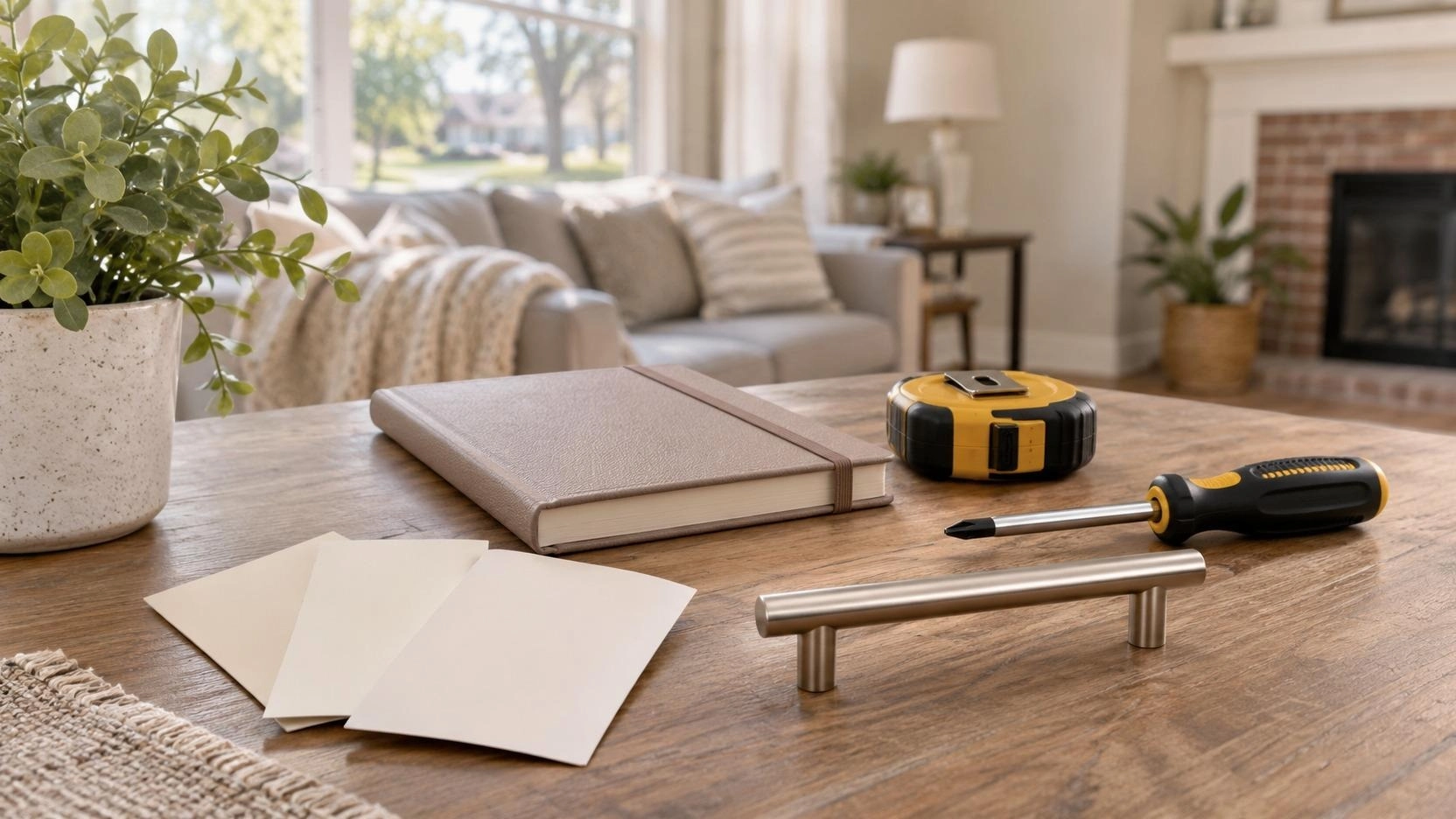
Once you decide to sell a Lockport home, every unfinished project can start to feel urgent. The loose cabinet handle you ignored for months suddenly competes with the aging roof, a stained ceiling, and a kitchen you once hoped to remodel. Trying to address everything at once can consume the preparation budget without producing a coherent plan.
A more useful approach begins with the property’s condition and the questions a buyer is likely to ask. Identify what needs professional evaluation, what affects daily function, and what would simply reflect a different decorating preference. Then choose a scope that fits your circumstances. There is no universal repair package that guarantees a particular sale price or eliminates all negotiation.
Walk through the house as a record keeper
Start with a room-by-room inventory before requesting estimates. Describe observations precisely: a door catches at the top corner, a fixture does not operate, or a patch of discoloration appears near a window. Include photographs and locations. Avoid assigning a cause unless a qualified professional has evaluated it. An accurate observation gives a contractor a better starting point than an improvised diagnosis.
Include storage areas, the garage, the exterior, and spaces that are easy to overlook during daily life. Note which areas you cannot safely access and leave those for the appropriate professional. Do not climb onto a roof or disturb unfamiliar materials to make the list more complete. The goal is an organized picture of known concerns, not a do-it-yourself inspection.
Beside each item, record any history you know. Was there a previous repair? Does the issue appear only in certain conditions? Is a warranty or service agreement available? This information can help a professional evaluate the problem and can later support clear transaction communication. Keep historical facts separate from your assumptions about what a buyer might think.
Give unresolved conditions an evaluation priority
An unexplained symptom deserves attention before a cosmetic decision. Painting over a stain without understanding its cause can leave the underlying issue unresolved. Replacing a finish around a recurring problem may also create unnecessary expense. Ask the appropriate professional what investigation is needed and what the proposed repair would actually address.
Distinguish an urgent safety or active damage concern from a stable cosmetic defect. Qualified professionals should guide that assessment. Your agent can help organize the selling process, but technical judgments about electrical, structural, roofing, or other systems belong with people qualified to evaluate them. A useful plan assigns each question to the right person.
If a professional recommends further evaluation, ask what decision that next step would inform. You might need to establish the extent of a repair, determine whether related areas are affected, or clarify a maintenance issue. Understanding the purpose helps you avoid both dismissing a legitimate concern and authorizing broad work before the scope is defined.
Separate repairs from upgrades
A repair restores function or addresses a condition. An upgrade changes the level of finish, design, or convenience. The categories can overlap, but keeping them distinct improves your budget decisions. Replacing a broken latch is different from replacing every interior door because you prefer another style. A buyer may appreciate both, yet the costs and reasons are very different.
Ask whether an item interferes with normal use, creates an unanswered condition question, or simply looks dated. An older but functioning kitchen may need careful presentation rather than an extensive remodel immediately before sale. Conversely, a recently styled room may still contain a defect that deserves professional attention. Appearance alone should not determine priority.
Carla’s seller guide describes the broader preparation and marketing process. Use that framework to discuss which improvements support the property as a whole. A repair plan should work with the intended listing schedule and presentation strategy instead of becoming a separate renovation project with no clear stopping point.
Use three practical priority groups
Create one group for issues requiring prompt professional attention or clarification. Create a second for modest functional repairs and presentation work you are considering before photography. Use a third for optional projects whose cost, timing, or benefit remains uncertain. These are planning categories, not technical ratings of the home’s condition.
Review the first group before allocating the remaining budget. A confirmed repair may change what you can reasonably spend on finishes. The second group often contains manageable tasks, but obtain appropriate help where needed. The third group should be challenged: What problem would this project solve, and does it need to happen before this sale?
Do not use the categories to hide concerns or dismiss disclosure responsibilities. Ask your attorney or other appropriate adviser how the applicable requirements relate to known conditions and completed repairs. Keep records accurate. A repaired issue may still have a relevant history, and a cosmetic improvement should never be described as proof that a technical concern was resolved.
Compare estimates by scope
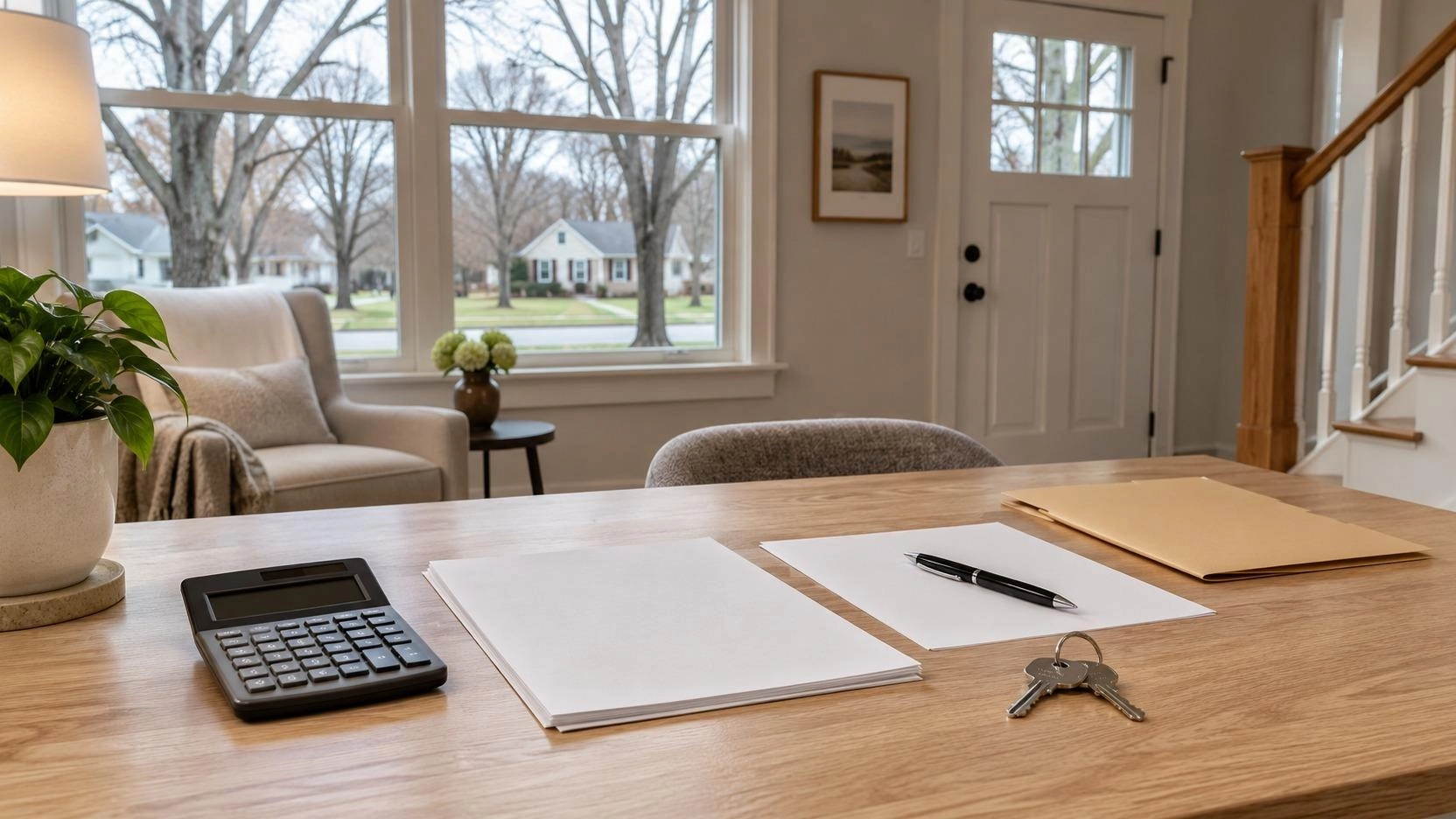
Request written proposals that identify the work, materials, exclusions, schedule, and payment terms. If two contractors propose different approaches, ask them to explain the difference. One may include investigation or related work that the other excludes. Comparing only the totals can lead you to select a proposal that does not address the question you intended to solve.
Ask what completion will look like
Before approving work, clarify how the contractor will document completion. Depending on the project, that might include an invoice describing the repair, relevant inspection records, warranty information, or photographs. Ask what testing or verification is included within the service. Do not assume that a brief paid receipt will answer a future buyer’s questions about the scope.
Confirm who handles any required permits and how the relevant jurisdiction will be identified. Lockport requirements depend on the actual project, and work involving a property in the Historic Preservation District may raise additional questions. Have the city or responsible authority clarify the requirements. A contractor’s availability does not establish that the work can begin immediately.
Choose finishes that fit the work already needed
When a repair requires replacing a visible surface, consider how the result will relate to the surrounding room. A small patch may be appropriate in one situation, while a broader finish treatment may be needed for a consistent appearance in another. Ask the contractor to explain the practical options and costs without assuming that the largest option is necessary.
Avoid starting a chain of upgrades because one new item makes another look older. A new fixture does not automatically require new countertops, flooring, and cabinetry. Establish the desired result before shopping. If the goal is a clean, functional room presented honestly, evaluate choices against that goal rather than against a completely renovated comparison property.
For an older home near historic downtown Lockport, original details may be part of the property’s character. Discuss repair and presentation before removing them solely to create a more generic appearance. Any applicable review requirements still need confirmation. The right choice depends on condition, feasibility, and the particular house, not a blanket rule about modernizing every feature.
Build the schedule backward from photography
List the work that must finish before cleaning, staging, and photography. Dust-producing projects should be coordinated with final cleaning, and deliveries should not block the rooms being prepared. Ask contractors for realistic scheduling assumptions, including material availability and any review or inspection steps. Keep a margin for changes without promising a fixed completion date to everyone too early.
Identify dependencies. A surface repair may need to follow the work that caused the damage. A new finish may require conditions specified by the installer. Furniture placement may depend on access to a wall or utility area. Writing down these relationships is more effective than booking every available professional for the same week.
Set a decision date for optional work. If an elective project cannot be completed within the preparation plan, discuss whether it should be deferred rather than allowed to delay everything else. This keeps the listing process deliberate. The goal is to reach a well-understood state of readiness, not to keep adding projects whenever another improvement idea appears.
Consider the alternative to completing a project
Sometimes an owner needs to sell before every desired repair is finished. Discuss that circumstance openly with your agent and attorney. They can help explain how the property’s actual condition, presentation, disclosures, and contract discussions should be handled. Do not assume that describing a sale in a particular way removes obligations or prevents buyers from investigating the home.
A written estimate may help explain a known scope, but it is not a guarantee that a future buyer will accept the same contractor, price, or approach. Likewise, a potential credit may be affected by the transaction terms and financing requirements. Keep possible solutions separate from agreed terms until the appropriate parties have reviewed them.
Avoid spending money solely to prevent any buyer request. Buyers may evaluate a home differently, and an inspection can raise questions outside your preparation plan. A sensible objective is to address selected concerns responsibly, present the property accurately, and retain documentation. You cannot purchase certainty about every future negotiation through additional pre-listing work.
Prepare a concise repair record
For completed projects, create a simple index listing the date, location, contractor, scope, and supporting documents. Use factual descriptions. “Repaired the identified section and provided the attached invoice” is more precise than “everything is perfect.” Where a warranty exists, include the actual terms and confirm whether transfer or registration steps apply.
For unresolved items, keep your observations and professional findings organized for discussion with your advisers. Do not combine those notes with promotional language. Clear records make it easier to answer questions consistently and reduce the risk of overstating what a contractor did. They also help you remember details when several projects finish close together.
Learn about Carla Patrone’s experience and approach as you develop the sale preparation plan. Her website describes experience with renovating properties, which can provide useful context for discussing presentation and process. Technical evaluation, permit determinations, and legal advice still belong with the qualified professionals responsible for those matters.
Define readiness before you start
Write a short definition of what must be true before the house is photographed and listed. It might include completed selected repairs, an organized condition file, a finished cleaning plan, and a final walkthrough with your agent. This gives the project a clear endpoint and helps prevent optional upgrades from consuming the resources needed for essential preparation.
The best repair plan for your Lockport sale is specific to the house, your budget, and your timeline. Start with evidence, compare complete scopes, and make deliberate choices about what to address. You will be better prepared to explain the property and manage the sale when every project has a clear purpose and a documented result.
FAQs
Do I need to remodel an older kitchen before selling?
Not automatically. Consider condition, function, cost, timing, and the overall sale strategy with your agent before committing to a substantial renovation.
Can I rely on a verbal repair estimate?
A written scope is more useful for comparison and planning. Ask what is included, what is excluded, and what could change the price or schedule.
Will completing repairs prevent inspection requests?
No repair plan can guarantee that outcome. Buyers may raise additional questions. Accurate documentation and appropriate professional evaluation help you respond more clearly.
Contact Carla Patrone
Preparing to sell in Lockport? Contact Carla Patrone at 708-372-5134 to develop a practical preparation and listing plan.