Navigating the South-Western Suburbs of Chicago as a First-Time Homebuyer
Buying your first home is an exciting milestone, but the process can also be overwhelming, especially when you’re unfamiliar with the local real estate market. For first-time homebuyers in the South-Western suburbs of Chicago, the journey to homeownership comes with unique opportunities and challenges. With a mix of suburban charm, excellent schools, and proximity to downtown Chicago, the area offers something for everyone—but knowing where to start is key.
In this comprehensive guide, we’ll walk you through the most important first-time homebuyer tips for the South-Western suburbs of Chicago. Whether you’re looking to buy in Orland Park, Tinley Park, Oak Lawn, or another nearby suburb, this blog will provide valuable insights into how to make the most of your home-buying experience.
1. Understand the Local Real Estate Market
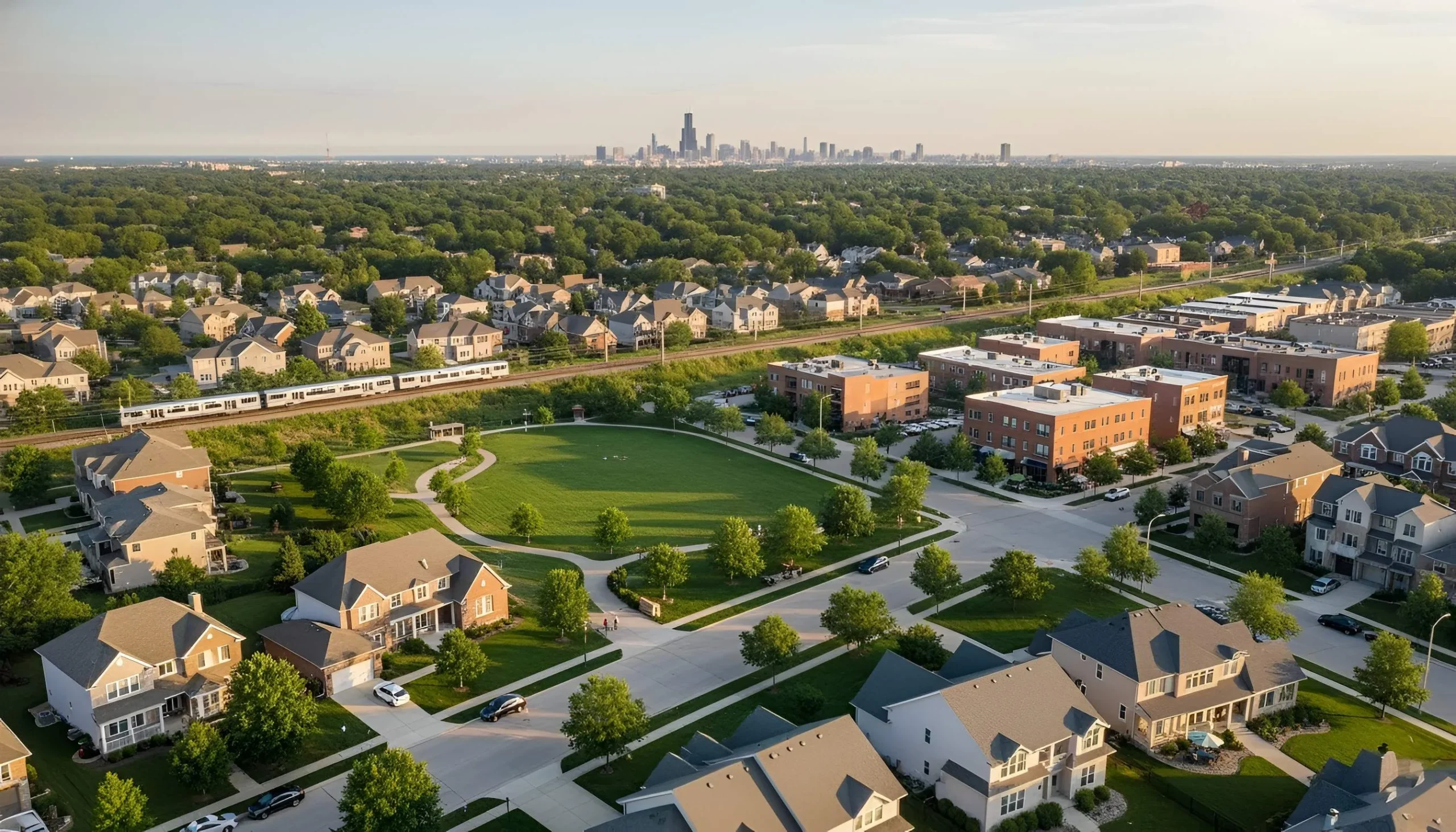
Before diving into the home search, it’s essential to get a feel for the local real estate market. The South-Western suburbs of Chicago offer a variety of housing options, from single-family homes to condos and townhouses. Prices can vary significantly depending on the neighborhood, the size of the home, and its proximity to local amenities such as schools, parks, and shopping areas.
Key Factors to Consider:
- Average Home Prices: The median home price in suburbs like Orland Park or Tinley Park can range from $250,000 to $500,000 depending on the area and the condition of the property.
- Neighborhood Appeal: Each suburb offers a unique lifestyle—Oak Lawn is known for its family-friendly atmosphere and proximity to public transportation, while Orland Park features larger homes and more green space.
- Market Trends: It’s essential to stay up-to-date on market trends, as the South-Western suburbs have seen an uptick in demand in recent years, making it a competitive market.
By understanding these local nuances, you’ll be better equipped to set a realistic budget and identify which neighborhoods fit your lifestyle.
2. Set a Realistic Budget
One of the most important steps in the home-buying process is setting a budget. Knowing how much you can afford is crucial to avoid wasting time on properties that are out of your price range.
Steps to Set a Realistic Budget:
- Assess Your Financial Situation: Take a close look at your income, savings, and monthly expenses. Determine how much you can comfortably allocate for a mortgage payment each month.
- Factor in Additional Costs: Don’t forget about closing costs, property taxes, home insurance, and maintenance. These expenses can add up quickly, so it’s important to plan ahead.
- Use Online Calculators: Many real estate websites, including ours, offer mortgage calculators that can help you estimate monthly payments based on your down payment, loan term, and interest rate.
For first-time buyers, a conventional mortgage may require at least a 20% down payment, but there are several government-backed loan programs that offer lower down payment options, such as FHA and USDA loans.
3. Secure Financing with the Right Lender
Securing financing can be one of the most daunting aspects of buying your first home. It’s important to shop around and find the right lender who can offer the best terms for your financial situation.
Steps to Secure Financing:
- Get Pre-Approved: Before you start house hunting, get pre-approved for a mortgage. This will not only give you a better idea of your budget, but it will also make you a more competitive buyer in a hot market.
- Consider Different Loan Types: There are various types of mortgages available, including fixed-rate, adjustable-rate, and government-backed loans. Speak with a mortgage broker or lender to explore which option works best for you.
- Evaluate Interest Rates: Even a small difference in interest rates can make a big impact on your monthly payments. Be sure to compare rates from multiple lenders.
Working with a local lender who understands the South-Western suburbs’ housing market can also provide valuable insights into the loan programs that are specific to the region.
4. Research Neighborhoods and Schools
When searching for a home, location is one of the most important factors to consider. The South-Western suburbs of Chicago offer a variety of neighborhoods with different amenities, making it essential to choose the one that aligns with your lifestyle and needs.
Key Neighborhoods to Explore:
- Orland Park: Known for its excellent schools, parks, and large single-family homes, Orland Park is one of the most popular suburbs for families.
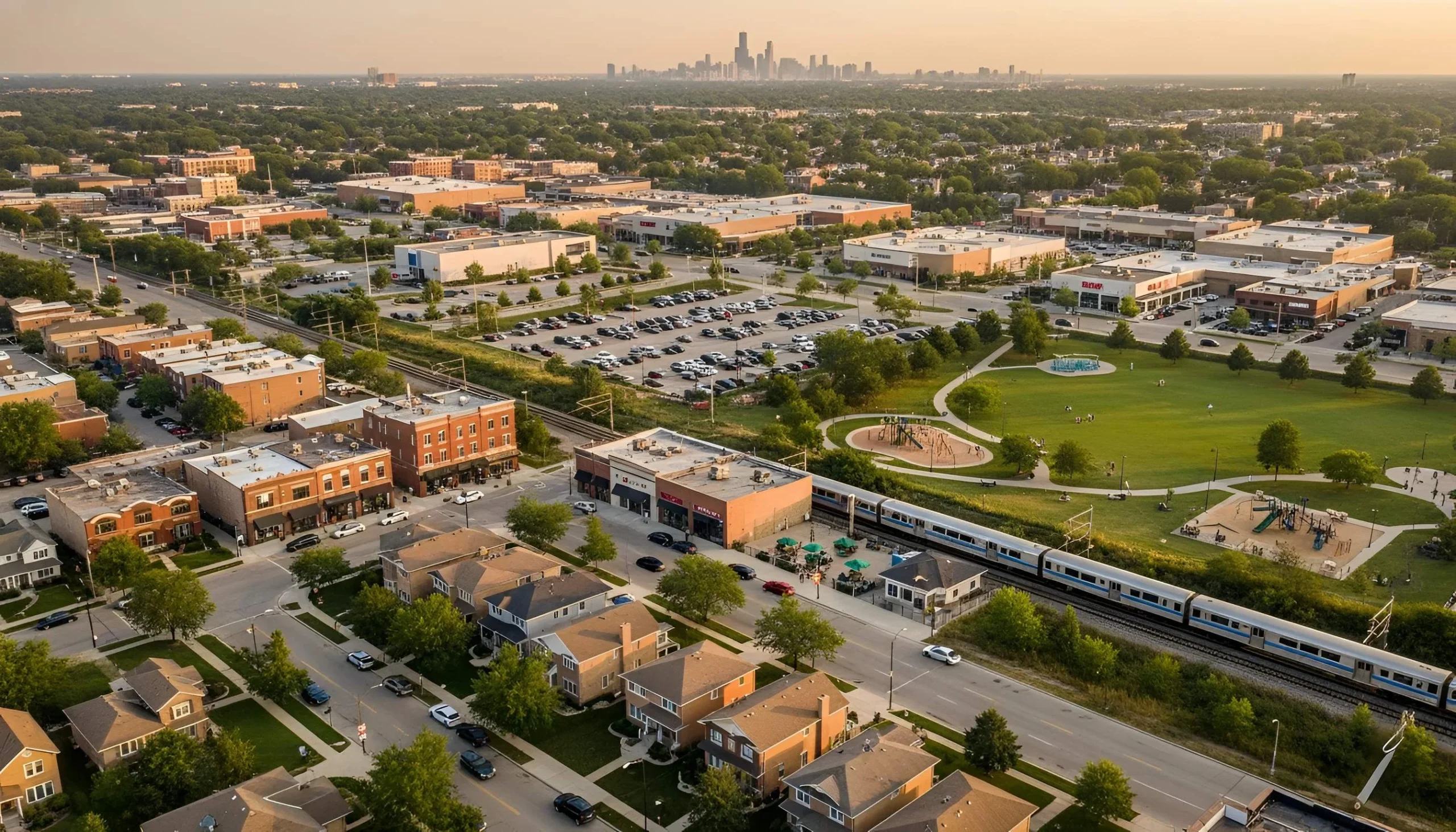
- Tinley Park: With its quaint downtown area and close-knit community, Tinley Park offers a suburban feel with easy access to public transportation.
- Oak Lawn: Oak Lawn is an excellent choice for first-time buyers seeking affordable homes with easy access to downtown Chicago via the Metra train.
Don’t forget to also research the local school districts, as they can impact your home’s future value and appeal to other buyers down the road.
5. Work with a Local Real Estate Agent
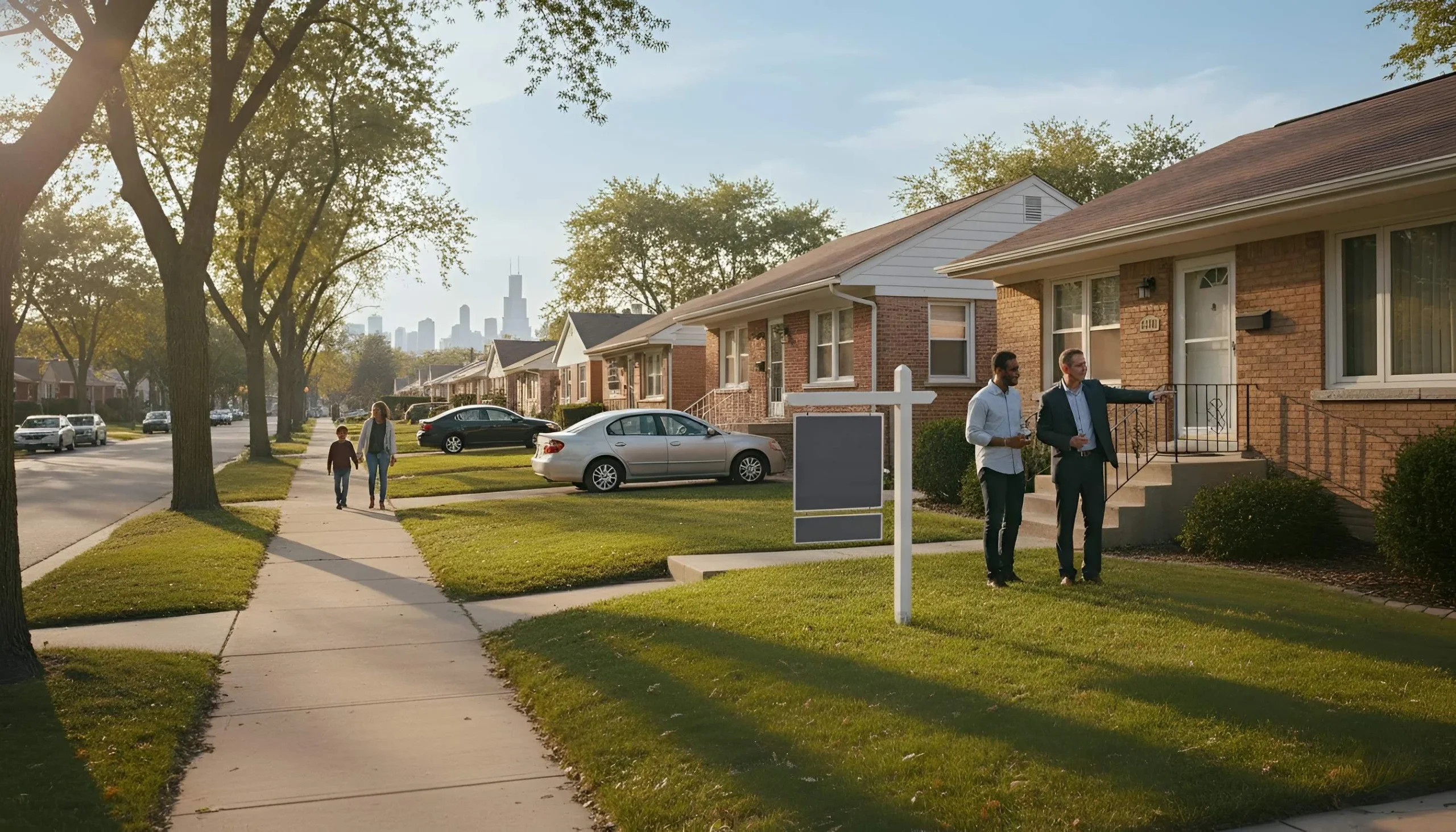
Hiring a local real estate agent who knows the ins and outs of the South-Western suburbs can make a significant difference in your home-buying experience. A seasoned agent will have access to listings before they hit the market and can provide valuable insights into local neighborhoods.
Benefits of Working with a Local Agent:
- Local Knowledge: They can guide you through neighborhoods that fit your needs, offer insight into local market trends, and help you understand property values.
- Negotiation Skills: A real estate agent will negotiate on your behalf, ensuring you don’t overpay for your home.
- Expert Guidance: They will help you navigate the paperwork, from the initial offer to the closing process, ensuring that all legal aspects are covered.
6. Inspect the Property Thoroughly
Once you’ve found the perfect home, it’s essential to conduct a thorough inspection. This will help you avoid unexpected repair costs and ensure that the property is in good condition.
What to Expect During a Home Inspection:
- Structural Integrity: The inspector will check for issues with the foundation, roof, and other structural elements.
- Plumbing and Electrical Systems: These are often costly to repair, so it’s important to know their condition.
- Pest Inspection: In some cases, the inspector will check for pests like termites, which can cause significant damage over time.
If issues are found, your real estate agent may be able to negotiate repairs or a price reduction on your behalf.
7. Understand Property Taxes and Local Laws
The South-Western suburbs of Chicago have varying property tax rates, so it’s essential to understand how they will affect your monthly payments and overall budget.
Property Taxes in the South-Western Suburbs:
- Rates Vary by Township: Different suburbs may have different tax rates, so make sure to factor this into your budget when looking at homes.
- Tax Deductions: Illinois offers several property tax exemptions, such as the General Homestead Exemption and the General Homestead Improvement Exemption, which can help reduce the tax burden for homeowners.
Be sure to check the local property tax rates in the suburb you’re interested in to get a better idea of your long-term financial commitment.
FAQs: First-Time Homebuyer Tips for the South-Western Suburbs of Chicago
Q1: What is the average down payment for a first-time homebuyer in the South-Western suburbs?
A1: The average down payment for a first-time homebuyer is around 20%, but you may qualify for loans that require as little as 3-5%.
Q2: Are there first-time homebuyer programs in Illinois?
A2: Yes! The Illinois Housing Development Authority (IHDA) offers several programs for first-time homebuyers, including down payment assistance and affordable mortgage options.
Q3: How can I determine if a neighborhood is right for me?
A3: Research the local amenities, school districts, crime rates, and future development plans. You may also want to visit the neighborhood at different times of day to get a feel for the area.
Q4: Should I buy a new construction home or an older home?
A4: It depends on your budget and preferences. New construction homes tend to be more expensive but require less immediate maintenance. Older homes may have more character and are often more affordable, but may require repairs.
Ready to Find Your Dream Home?
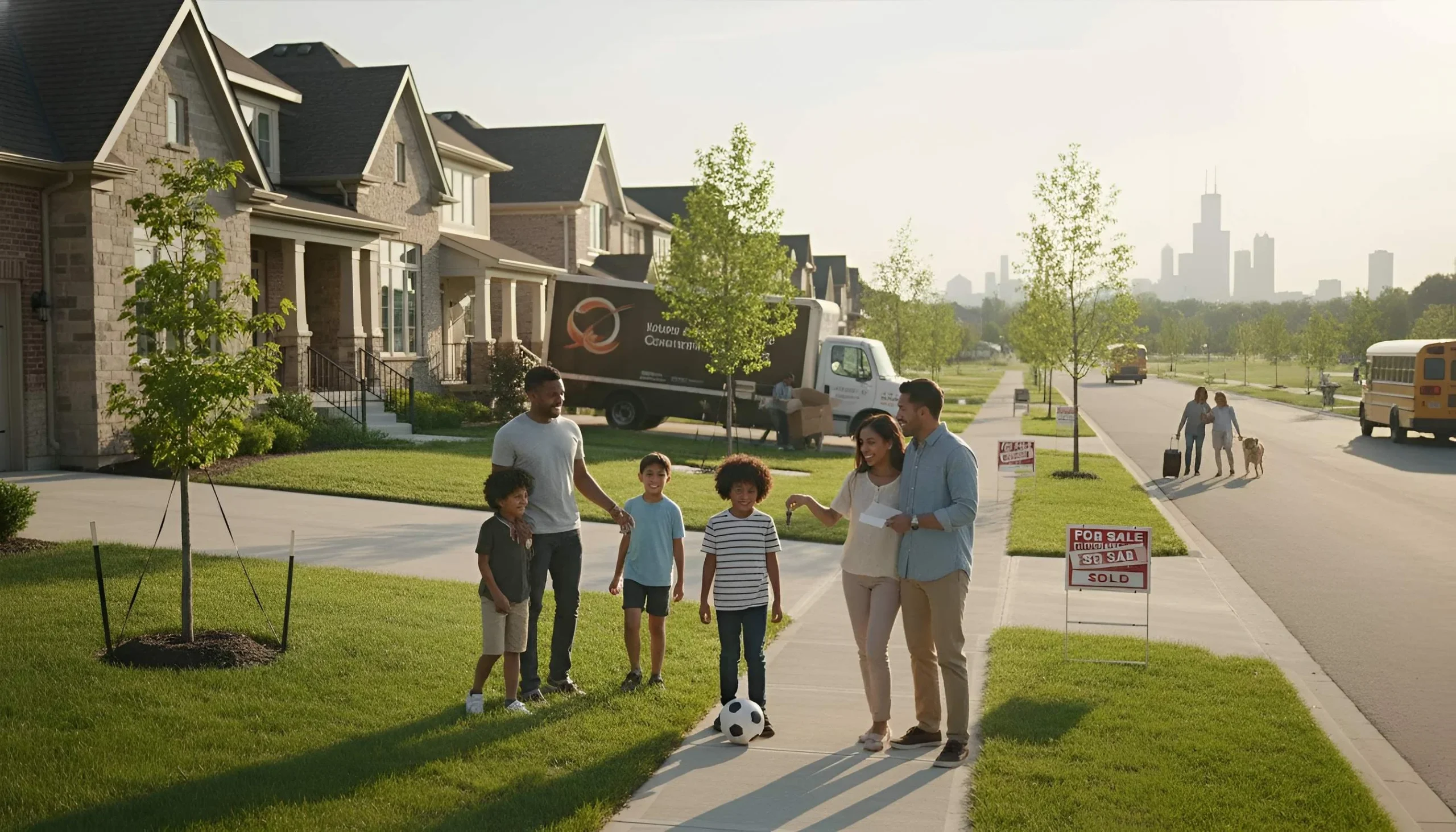
Buying your first home in the South-Western suburbs of Chicago is an exciting adventure, and with the right planning and guidance, you can make it a smooth and rewarding experience. By understanding the local real estate market, securing financing, researching neighborhoods, and working with a local real estate agent, you’ll be on your way to homeownership in no time.
Ready to start your home-buying journey? Contact us today to schedule a consultation with one of our experienced agents and find the perfect home for you in the South-Western suburbs of Chicago!
Contact Us Today to Schedule a Consultation!
Are you ready to take the next step in your home-buying journey? Reach out to us now to schedule a consultation with one of our expert real estate agents. We’ll help you find the perfect home in the South-Western suburbs of Chicago and guide you through the entire buying process. Don’t wait—your dream home is just around the corner!